Looking again at something familiar
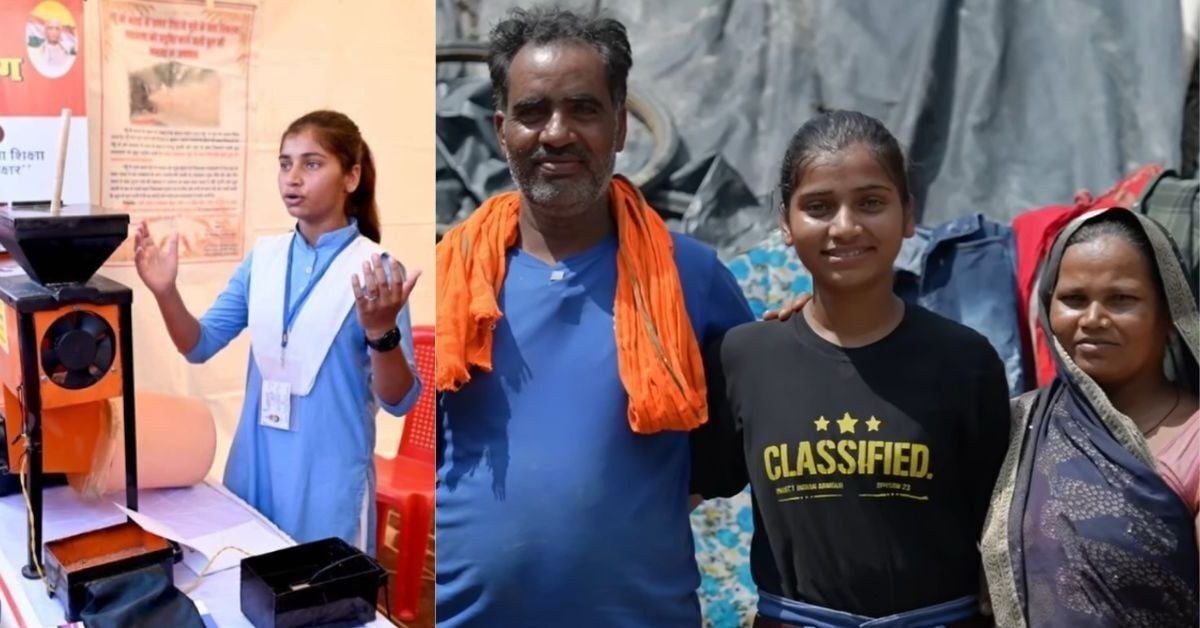
Vinisha Umashankar’s solar ironing cart explored a different energy source for the familiar work of pressing clothes. The Earthshot Prize’s finalist profile describes how seeing an ironing vendor dispose of charcoal led her to investigate its environmental effects. The project used solar energy in place of charcoal to power an iron.
Earthshot lists her as a 2021 finalist in its Clean Our Air category, rather than a prize winner. This story looks back at a school-age innovation; it does not present the 2021 recognition as a new achievement in 2026.
An idea and the evidence around it
Earthshot’s 2021 impact report, available in a February 2022 publication path, describes the cart as a prototype and discusses possible charging services alongside ironing. Those are dated descriptions and plans, not evidence of present-day manufacturing, sales or adoption. UNICEF’s profile for the advocate period from 3 May 2024 to 2 May 2025 connects Vinisha with climate action and girls in STEM.
It describes the cart beginning at age 12. The profiles use different age contexts, and some 2021 accounts differ on her age; those differences need editorial review before assigning an exact event-age label.
Start with a service you notice
For a reader, the interesting starting point is a job seen every day: what energy does it use, what waste does it produce, and what would a different design need to do well? Try sketching questions about one familiar service, without building or testing equipment. This activity is an editorial invitation, not part of Vinisha’s documented project.
A useful sketch could include the people using the service, practical constraints and what evidence would show an improvement. Asking a careful question can be a first step towards understanding an engineering problem.
SOURCES
- The Earthshot Prize · 2021 finalist profile ↗ · Award organiser profile · publication/update date not stated; award edition is 2021
- The Earthshot Prize · 2021 impact report (February 2022 publication path) ↗ · Award organiser report · prototype context; exact upload day not established
- UNICEF India · advocate period 3 May 2024–2 May 2025 ↗ · Institutional profile · page publication date not stated; advocate term is not publication date
- The Earthshot Prize · 2021 ceremony programme (older supporting context) ↗ · Award organiser programme · describes age15;older than main five-year window;used only to flag age-context discrepancy